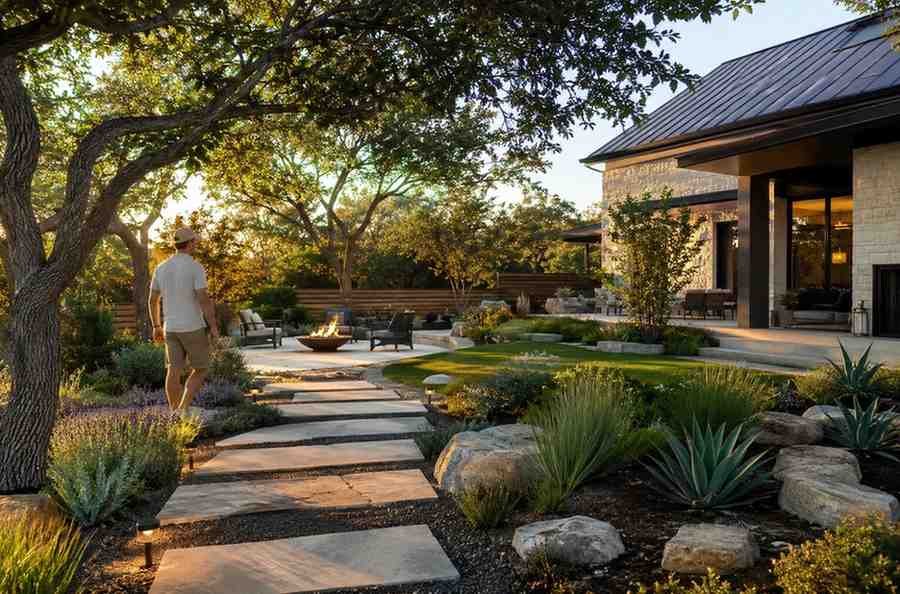
Landscape design is often treated like a finishing touch, but in Austin, it functions more like infrastructure. The climate is demanding, the soils can be unforgiving, and outdoor spaces are expected to do more than look polished for a season. They need to work for daily life, hold up structurally, and still feel cohesive years later. That is why serious landscape design in Austin requires more than plant selection or decorative framing.
The strongest projects begin with a broader question: how should this property behave? Where should people gather, where should water go, what needs shade, what needs structure, and what should feel quiet versus active? Once those questions are answered, the design stops being cosmetic and becomes strategic. That is the level at which Southern Landscape operates, with a process built around design, construction, and long-term care rather than isolated services.
Why Landscape Design in Austin Has to Solve More Than Aesthetic Problems
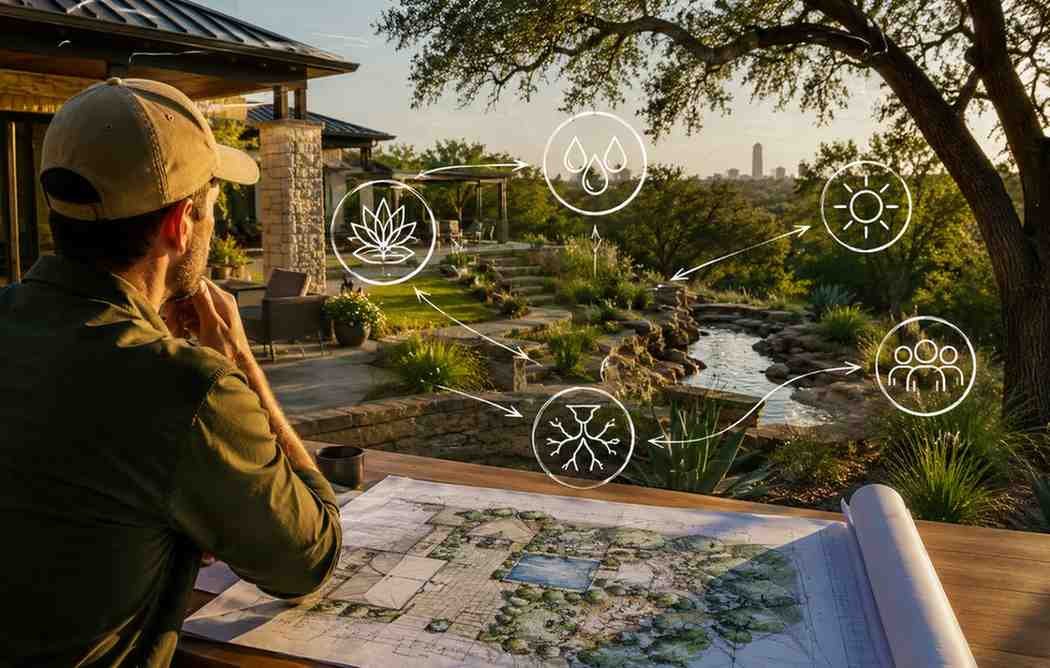
Austin properties face a specific combination of heat, sun exposure, unpredictable drainage, and design expectations shaped by indoor-outdoor living. A landscape that looks finished on paper can still fail if it ignores these realities. In practice, that means the best outdoor spaces are not built around ornament first. They are built around performance, then refined through proportion, materials, and planting.
This is where many projects go wrong. Homeowners often begin with a pool, a patio, or a few plant beds and hope the rest will “come together.” In a place like Central Texas, that approach usually creates disconnected pieces. Better design starts by connecting the parts from the beginning so the layout, materials, and circulation all support one another.
A serious design process should account for:
- Sun and shade patterns across the property
- Drainage and grading before hardscape decisions are finalized
- Material durability under heat, movement, and use
- Privacy needs, especially in visible or open sites
- How the landscape will look in both peak and off-peak seasons
- The relationship between the home’s architecture and the outdoor additions
When these factors are integrated early, the result is not just attractive. It is more usable, easier to maintain, and less likely to need corrective work later.
The Real Value of Design-Build Is Continuity, Not Convenience
A lot of firms can sketch a concept. A lot can build a hardscape. Far fewer can carry a project from the first conversation to the final installed detail without design dilution. That continuity matters because every landscape project contains dozens of decisions, and small changes made late can undermine the original intent.
Southern Landscape stands out because it works as a true design-build-maintain firm. That means the same strategic thinking can carry through the full life of the project, from master planning to execution and, eventually, to property care. For clients, the benefit is not just convenience. It is consistency. The person shaping the vision understands what the field team can build, and the people building it understand why the design was drawn that way.
Why In-House Craftsmanship Changes the Outcome?
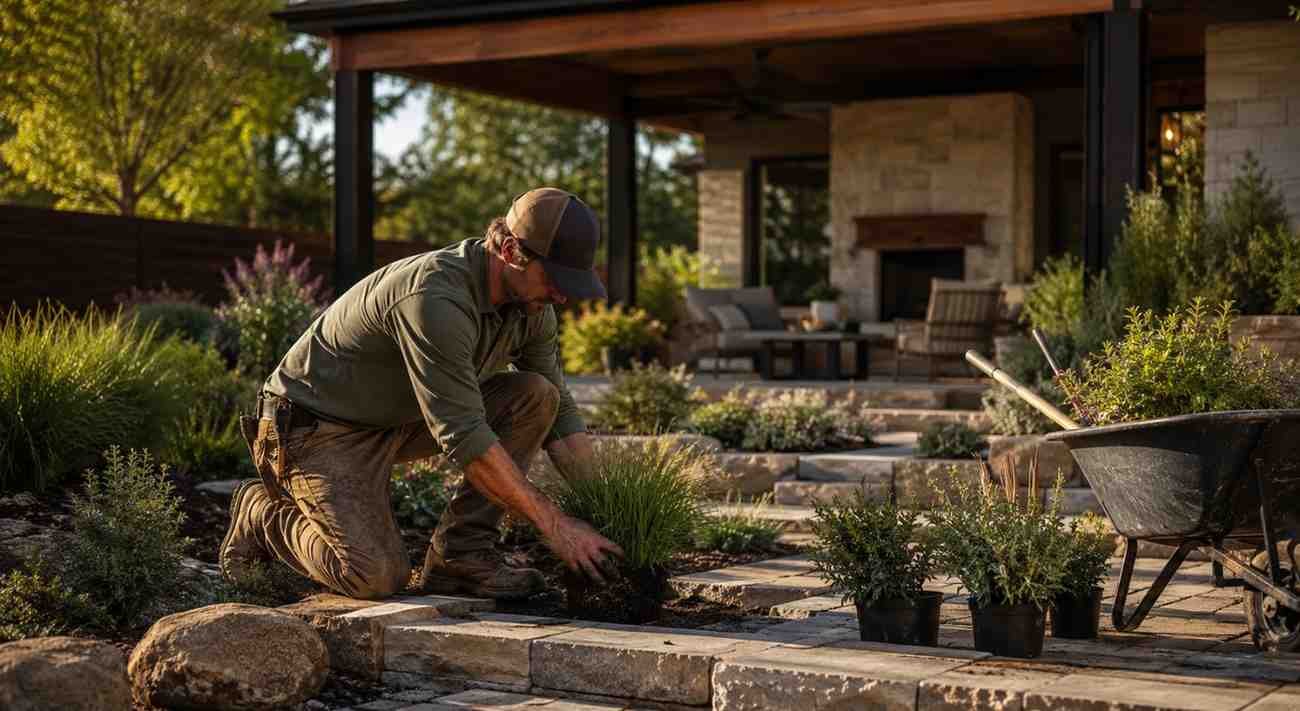
When a project depends on multiple outside vendors, quality can become uneven. One crew may understand the drainage plan while another interprets the stonework differently. One team may value speed while another values detail. That does not always create visible disaster, but it often creates subtle compromises.
By keeping masons, carpenters, welders, irrigators, and landscape crews under one roof, Southern Landscape can protect the design intent at each stage. That matters especially in outdoor environments where hardscaping, structural additions, and planting all need to align. A patio edge, a retaining condition, a pergola attachment, or irrigation placement may seem like separate tasks, but in a premium landscape, they are interdependent.
Why the First Meeting Matters More Than Most People Think
The initial consultation is not the place for rushed assumptions. It is where the design team begins to understand constraints, opportunities, and the property’s long-term potential. Southern Landscape offers a free on-site consultation, giving owners an entry point into the process without pressure. For most design projects, the first follow-up design meeting takes place two to three weeks later, allowing time for thoughtful development rather than superficial sketching.
That pace is important. Premium outdoor environments should not be improvised. They should be shaped through observation, planning, refinement, and then construction.
Master Planning Prevents the Most Expensive Type of Mistake: Rework
Master planning is one of the most underrated parts of landscape design. It is easy to focus on what is being built now and forget what may be added later. But the best properties are rarely finished in one move. They evolve. A pool may come first, then a kitchen, then a shaded pavilion, then more refined planting and lighting. Even relatively simple additions, such as DIY backyard lighting ideas, are easier to incorporate when they fit within an overall landscape plan rather than being added as an afterthought. Without a master plan, those phases can compete with one another.
A strong master plan solves a simple but important problem: it preserves future options. Instead of locking the property into a narrow layout, it creates a framework that can absorb later improvements without expensive corrections. That makes a major difference in sites where owners want both immediate value and long-term flexibility.
Southern Landscape approaches this kind of planning through a broader lens than surface-level beautification. The goal is not to fill space. The goal is to establish a property logic that still makes sense as needs change. That is especially valuable for larger or more customized outdoor settings where the landscape may eventually include multiple destination areas.
Consider the difference between these two approaches:
- A reactive project adds features where they fit moment by moment.
- A planned project organizes circulation, views, function, and infrastructure before the first major build begins.
The first may look complete in photos. The second tends to age better, function better, and require fewer compromises.
Hardscaping, Poolscaping, and Structures Should Work as One System
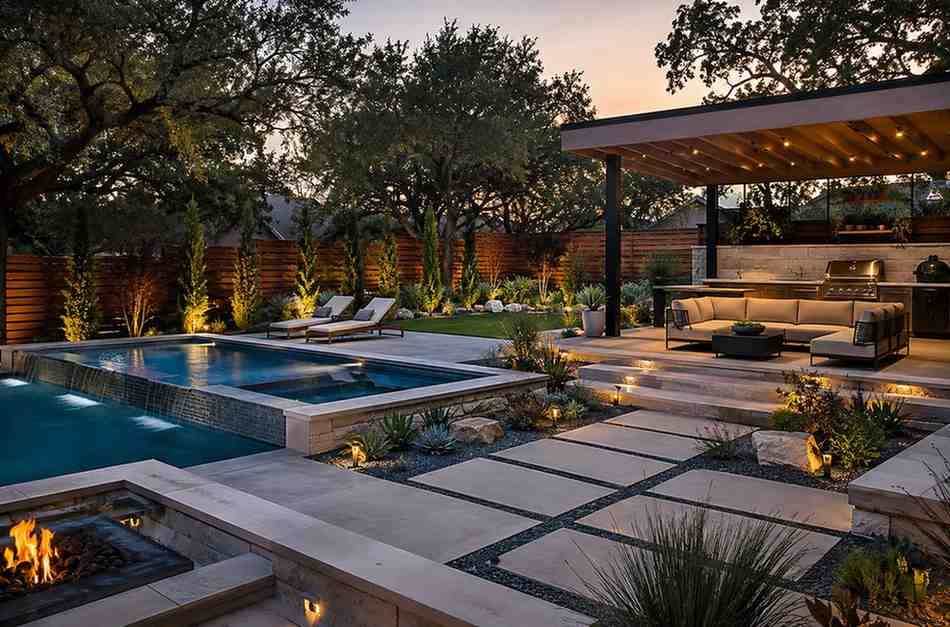
Premium outdoor living is rarely about a single feature. A pool alone is not enough if the surrounding surfaces feel exposed or awkward. A patio alone is not enough if it does not connect naturally to shade, seating, and movement. A pergola alone is not enough if it sits in the wrong relationship to the rest of the yard. This is why integrated design matters.
Hardscaping provides the structure. Poolscaping gives the water feature context. Structural additions create comfort and visual order. Planting softens and completes the composition. When these components are designed together, the property feels intentional instead of assembled.
Outdoor Living Works Best When the Details Are Architectural
The difference between a basic outdoor area and a premium one often comes down to geometry, proportion, and transitions. A wide stone walkway, a carefully detailed retaining condition, a well-scaled patio edge, or a pergola that feels anchored to the architecture can elevate the entire property. These are not decorative extras. They are the structural grammar of the landscape.
This is also where local experience matters. Southern Landscape has been transforming properties across Austin and the Hill Country since 1982, and that kind of tenure matters in a region where climate and material performance affect every decision. Long experience does not guarantee quality by itself, but it does sharpen judgment. It teaches which choices hold up and which ones only look good at installation.
Maintenance Is Not an Afterthought
A premium landscape should not depend on hope after construction ends. Plants mature, irrigation needs adjustment, and surface conditions change. A property care and maintenance division gives the landscape a second life after the build is complete. That is important for owners who want their outdoor investment to remain crisp, balanced, and healthy.
Southern Landscape’s maintenance capability strengthens the entire model because it closes the loop. The firm is not only helping create the environment; it is also positioned to protect it. That continuity can be especially valuable for high-end properties where the goal is not quick visual impact but sustained quality.
What Good Firms Look for Before They Build
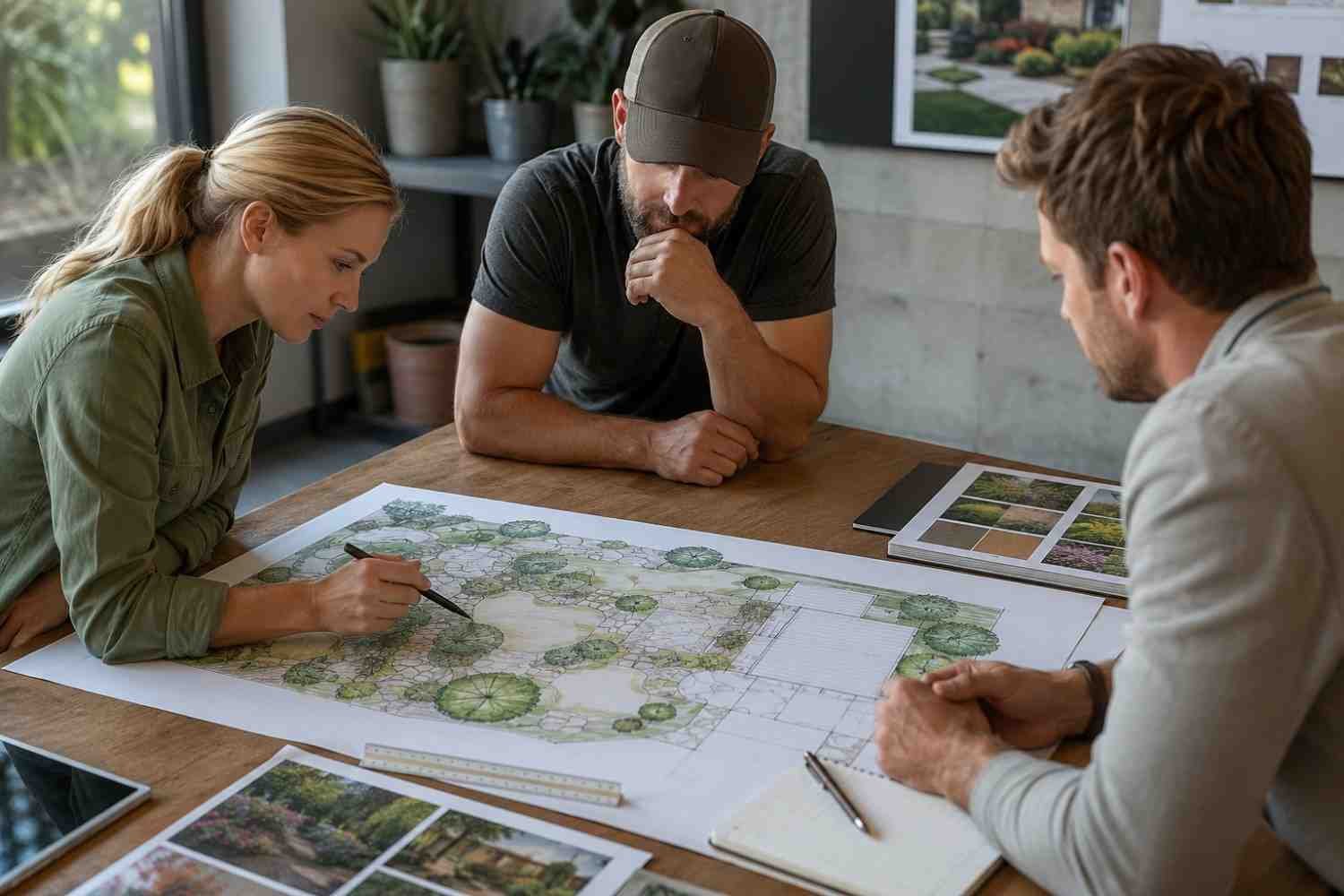
Not every property needs the same solution, but strong operators tend to evaluate the same core questions before moving forward. The following list captures the kind of thinking that usually separates premium work from ordinary work:
- What is the primary function of the outdoor space?
- Which zones need shade, privacy, circulation, or visual focus?
- How will drainage and grading affect long-term performance?
- What materials can realistically withstand the property’s use and exposure?
- How should design relate to a home’s architecture?
- Which elements should be completed now, and which should be protected for future phases?
- What level of maintenance will the finished environment require?
These questions force the project beyond trends. They move it toward judgment. And judgment is what keeps a landscape from feeling generic.
In the landscape design context in Austin, this judgment matters even more because the environment itself is part of the design equation. The right solution is rarely the one that looks most elaborate at installation. It is the one that still makes sense after multiple seasons, after real use, and after the property’s needs evolve.
The Long-Term Standard for Premium Outdoor Spaces
The most valuable landscapes are not defined only by how they photograph on day one. They are defined by how well they continue to serve the property. That means the design must be durable, the build must respect the plan, and the maintenance system must preserve the result. When any one of those pieces is weak, the whole experience declines.
That is the strategic advantage of working with a firm like Southern Landscape. The value is not just in a finished garden or a finished patio. It is in having one team think through the property as a whole, from concept to construction to care. For owners who want more than surface appeal, that integrated model is the difference between a temporary upgrade and a lasting outdoor environment.